


Before the Front Door: What Listening Taught Us About Inclusive Hospitality
A guest at Hillgrove Hotel & Spa in Monaghan recently left a message that stayed with the team:
“I felt normal today.”
The words came after a familiarisation event for charities, patient advocacy groups, not-for-profit organisations and families, which The iNUA Collection hosted to better understand what people need from an inclusive hotel or event venue.
For Mark Moynihan, Group Business Development Manager at The iNUA Collection, the conversations challenged some familiar assumptions about accessibility. While suitable facilities and physical access remain essential, guests also spoke about the importance of clear information, feeling understood and being able to enjoy an experience without repeatedly explaining their needs.
The event offered a reminder that inclusive hospitality begins well before someone arrives at a hotel. It starts with listening, understanding individual requirements and giving people the confidence to know what to expect.
What Makes a Hotel Feel Truly Welcoming?
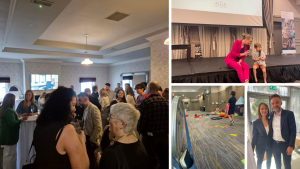 At Hillgrove Hotel & Spa, the familiarisation event took a different approach from a conventional hotel showcase.
Rather than leading with facilities and presentations, Aisling Owens Nash helped organise a day centred on conversation and feedback.
A Wishing Wall invited guests to share their thoughts, while recipe cards and informal discussions around the fire pit encouraged people to speak openly about their experiences. Children were included in the programme, with support from Mireia Lopez Montes of Discovery Playtime, allowing parents and carers to participate in the conversations.
What emerged was a clearer understanding of how small details can influence a guest’s experience.
“The strongest theme was belonging without having to ask for it,” Aisling explains.
Guests spoke about the reassurance of knowing where to go, having a named person to contact, and being able to access a quieter space when needed. For many, the difference lay in having their requirements understood without feeling singled out.
These considerations can be just as important as the physical facilities available at a hotel.
Planning Accessible Events Starts With Better Questions
Hotel and event enquiries commonly begin with dates, delegate numbers, bedroom requirements, and room capacities. Aisling believes that understanding the people attending should come first.
“When I build an event brief, the first conversation is about people before numbers.”
For organisations arranging charity events, family gatherings, support group meetings or conferences, this means discussing individual requirements early enough for the venue to respond appropriately. The needs of a wheelchair user may differ considerably from those of a neurodivergent child, someone managing a serious allergy or a parent attending an event as a carer.
 There is no single approach that will suit every guest, which makes clear communication particularly important.
As Aisling explains:
“Guests are not expecting perfection. They are expecting a venue to listen, to be straightforward about its limits and to follow through.”
Mark agrees that responsibility should not rest entirely with the organiser or guest.
“The client shouldn’t have to audit our hotel.”
Providing accurate accessibility information, identifying a suitable point of contact and discussing individual requirements before arrival can help guests make informed decisions about their visit.
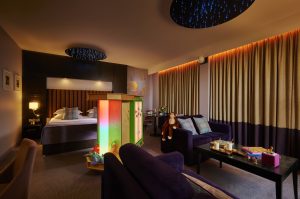
At Radisson Blu Hotel & Spa, Sligo, for example, the development of sensory-friendly supports reflects the importance of giving guests clearer information and greater choice throughout their stay.
The lesson from Hillgrove was not that every venue must provide an identical experience, but that guests should be able to understand what is available and feel comfortable asking for what they need.
Inclusive Hospitality Also Begins With Colleagues
The conversations at Hillgrove reflect an approach that The iNUA Collection has also developed within its own workforce.
Since 2019, the Collection has worked with Down Syndrome Ireland through its National Employment Programme, supporting adults with Down syndrome into paid employment across its hotels.
For Deirdre Buckley, Group Director of HR, Learning & Development, workplace inclusion is part of how colleagues are recruited, supported and given opportunities to progress.
“Inclusion isn’t a programme or initiative; it is how we welcome, support, develop and create opportunities for our colleagues.”
The partnership has helped hotel teams develop a better understanding of different learning styles, the value of clear communication and the importance of ongoing support. Mentoring, workplace buddies and collaboration with families and employment support teams can all contribute to a successful experience for employees and their colleagues.
Importantly, Down Syndrome Ireland’s involvement does not end when somebody begins a job. Its employment team continues to support both the employee and the employer as the working relationship develops.
Meaningful Employment at Radisson Blu Hotel Athlone
At Radisson Blu Hotel Athlone, Aideen has worked as a Food & Beverage Assistant for more than six years.
During that time, her confidence has grown, and she has become a familiar member of the team, particularly during breakfast service, where she enjoys speaking with guests.
Her colleagues know her for the conversations and greetings that are part of everyday life at the hotel. Aideen’s experience illustrates the value of sustained employment and the opportunities that come from being an established member of a workplace.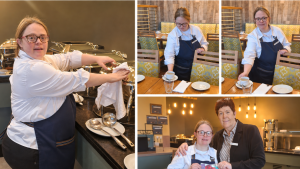
For Aoife Gaffney, Head of Inclusive Employment & Impact Partnerships at Down Syndrome Ireland, this distinction matters.
“Inclusion should be about opportunity, contribution and belonging.”
The National Employment Programme aims to support adults with Down syndrome in finding and maintaining meaningful paid work, while helping employers establish the conditions in which people can contribute and develop their skills.
The Wider Impact of Inclusive Employment
According to figures shared by Down Syndrome Ireland in 2026, more than 470 adults with Down syndrome have been supported into paid employment through its National Employment Programme since 2018.
Over that period, the proportion of adults with Down syndrome in employment has increased from approximately 6% to more than 15%. Employment can influence many aspects of a person’s life, from financial independence and confidence to friendships, daily routines and participation in their community. For employers, inclusive recruitment can also strengthen teams through greater understanding, experience and different perspectives.
The iNUA Collection reports a 100% retention rate among colleagues employed through its partnership with the National Employment Programme. The group’s work has also extended beyond Ireland through the European ValueAble Network. At Radisson Blu Hotel & Spa, Limerick, four Italian trainees with Down syndrome completed placements across Food & Beverage, Housekeeping and Front Office, gaining practical experience in an Irish hotel.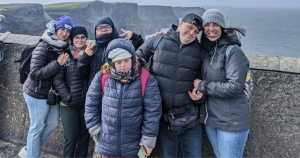
These initiatives reflect a continuing commitment to creating employment opportunities and helping colleagues develop their skills in a supportive working environment. Deirdre also sees a direct relationship between the way employees experience their workplace and the way they interact with guests.
“When colleagues experience inclusion themselves, they are far more likely to extend that same understanding, empathy and care to others.”
Listening Before Someone Arrives
Although the conversations at Hillgrove and the employment experiences across The iNUA Collection took place in different settings, they revealed a common principle.
People benefit when their individual circumstances are understood and when they have access to clear information, appropriate support and opportunities to participate fully.
For hotel guests, that may mean knowing what facilities are available before making a booking, discussing accessibility requirements with a member of the team or having a quieter environment available during an event. For colleagues, it may mean receiving training in a way that suits how they learn, having a supportive manager or being given the opportunity to develop a long-term career.
As The iNUA Collection continues to work with guests, employees and community organisations, the experiences shared at Hillgrove offer a useful reminder: the most meaningful improvements often begin by asking people about their needs and listening carefully to their answers.
A good welcome starts before the front door.